Amazing April
Living Off-Grid in the Valley
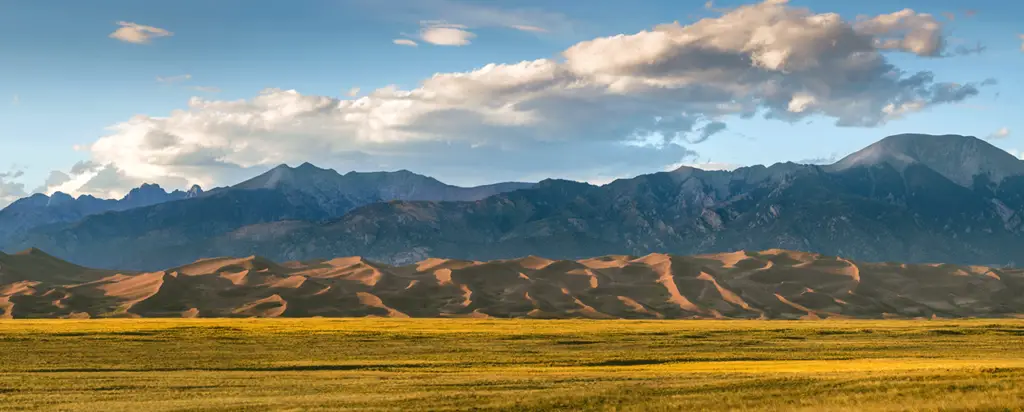
Off-grid mountain living thrives on self-sufficiency, utilizing solar power with backup generators, wood stoves for heat, and water collection systems. Ideal homes include durable, insulated cabins or yurts, often featuring propane appliances and composting toilets for, at least, partial waste management. Key strategies focus on year-round water sourcing, food preservation, and heavy-duty winter preparation.
Shelter and Construction Ideas
Durable Cabin Structure: Use metal roofs and siding for fire resistance and snow shedding, as suggested by users on Reddit.
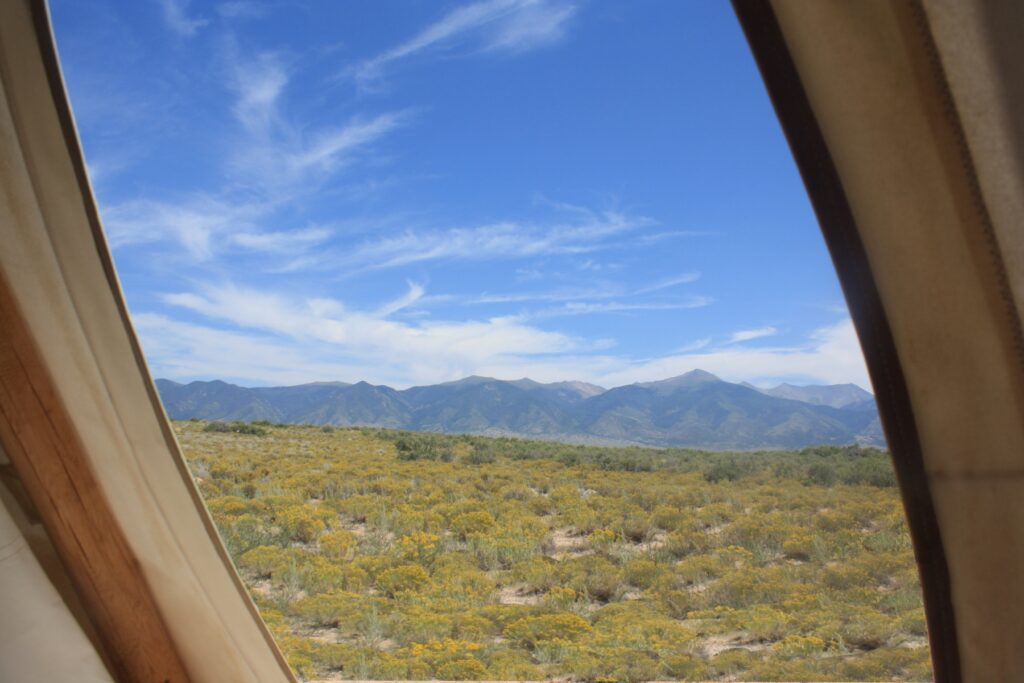
Yurts/Tiny Homes: Quick to set up, highly portable, and suitable for mountain terrain.
Passive Solar Design: Orient homes for maximum sunlight, using heavy materials like stone or timber to retain heat.
Insulation: Ensure high-level insulation and design for heavy snow loads.
Energy and Utilities
Solar Power Systems: Install 6kW+ panels paired with battery storage (e.g., lithium-ion) for off-grid power.
Propane Backup: Use propane-powered stoves, heaters, and water heaters to minimize reliance on electricity during winter, as shown in this video.
Water Management: Install large cisterns, collect rainwater from roofs, and use water-wise techniques like solar showers.
Waste Management: Use waterless composting toilets or septic systems to manage waste efficiently.
Sustainability and Mountain Survival
Heat Sources: Use soapstone wood stoves or specialized mountain wood stoves for reliable, non-electric heating.
Food Security: Build raised garden beds, greenhouse tunnels, and implement root cellars for long-term food storage.
Winter Prep: Stockpile firewood early, use heated cables for plumbing to prevent freezing, and invest in heavy-duty clothing.
Land Selection: Look for land with existing water sources (springs/creeks) and south-facing slopes for better solar exposure.
There is a lot of planning to get everything into place, but with dedication and work, it is so worth it!
I hope you enjoyed my blog! ~ Joyful